Blue Light Glasses: What the Evidence Actually Supports
Blue-light filtering lenses are widely sold and widely oversold. It is worth separating what they are, what the research supports, and what actually reduces the discomfort people experience after a long day on a screen.
What the lenses are
A blue-light filtering lens has a coating or a tint that reduces transmission in the short-wavelength part of the visible spectrum, roughly 400 to 500 nanometres. The degree of filtering varies enormously between products, from a few percent to a noticeable yellow cast.
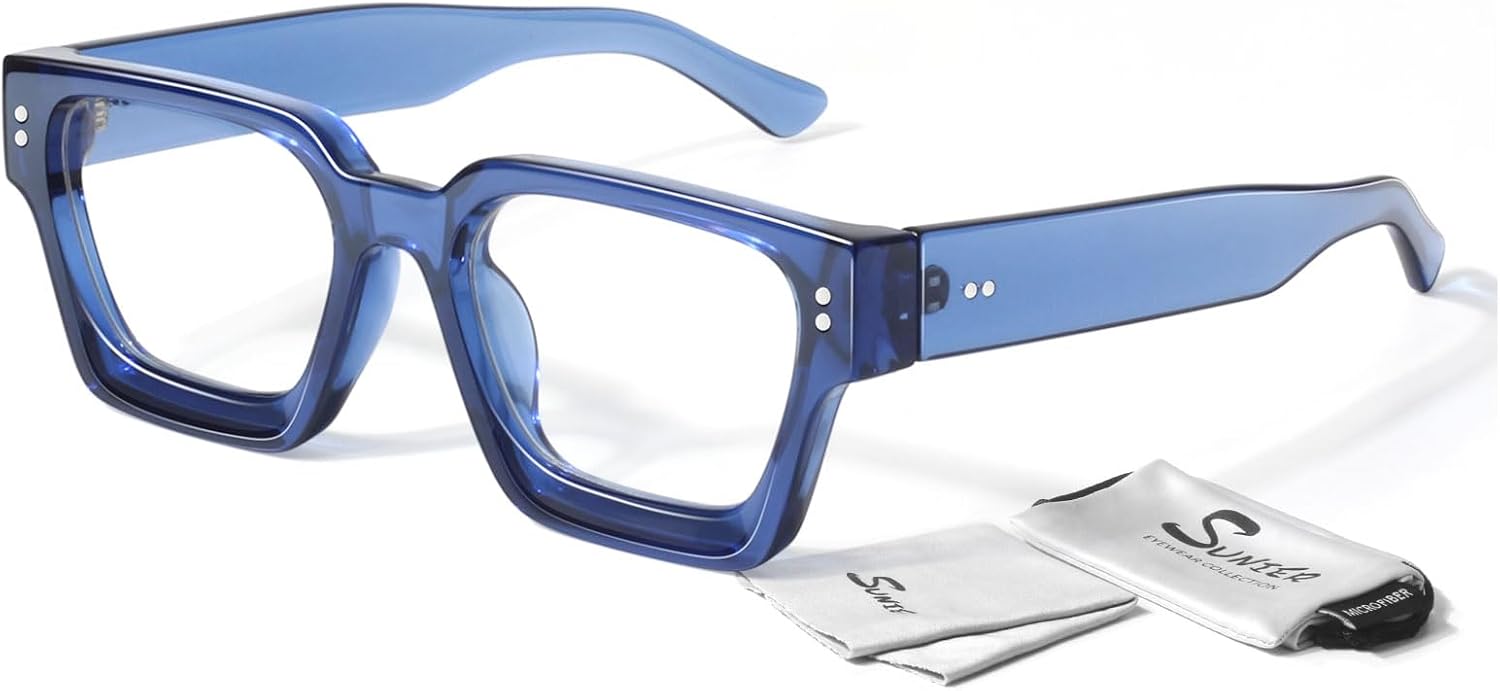
Non-prescription versions are ordinary clear lenses with that filter applied, fitted into a standard frame. They can be worn by anyone.
The filtering is real and measurable. The question is what effect it has.
What the research says about eye strain
Systematic reviews of randomised trials have generally not found that blue-light filtering lenses reduce eye strain compared with ordinary clear lenses. That is the honest summary of the current evidence and we will not tell you otherwise.
This does not mean people are imagining their discomfort. Digital eye strain is very real; the evidence simply suggests blue light is not its main cause.
Where individuals report a benefit, a placebo effect or an unrelated change in habits cannot be ruled out — which is not a criticism, since comfort is comfort.
What does cause digital eye strain
The main mechanisms are reduced blink rate while concentrating, which dries the eye surface; sustained near focus, which fatigues the focusing muscles; and poor screen ergonomics, which forces awkward head and eye positions.
Uncorrected or under-corrected refractive error is a large and frequently missed contributor. A person straining slightly to focus all day will be uncomfortable regardless of any lens coating.
Glare from overhead lighting or a window behind the screen is another common cause.
Measures that are well supported
The 20-20-20 habit: every twenty minutes, look at something around twenty feet away for about twenty seconds. This relaxes the focusing system and prompts blinking.
Position the screen slightly below eye level and about an arm's length away. Looking slightly downward reduces the exposed surface of the eye and slows tear evaporation.
Match screen brightness to the room rather than running it at maximum, and reduce glare by moving lamps and windows out of the screen's reflection.
Sleep, which is a separate question
The link between evening light exposure and sleep timing is much better established than the link to eye strain, though the effect is driven by overall light intensity as well as wavelength.
Reducing screen brightness in the evening and increasing the distance from the screen both reduce total exposure. Device night modes shift colour temperature for the same reason.
Whether a filtering lens meaningfully changes sleep timing is not settled. Reducing screen use in the hour before bed has better support than any lens.
Where clear non-prescription frames still make sense
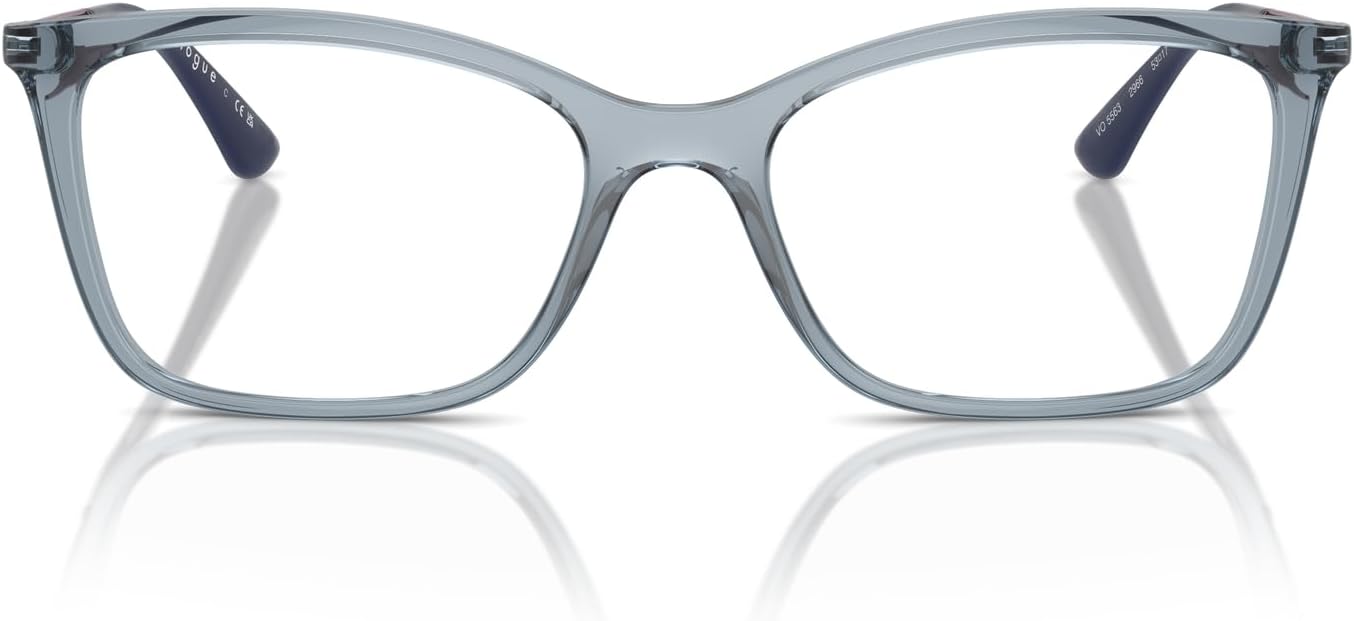
Plenty of people buy clear-lens frames for how they look, and that is a perfectly good reason. They also protect the eye surface from moving air, which genuinely helps in an office with strong air conditioning.
For anyone who spends long periods on a screen and has never had an eye test, an eye examination will do more than any lens purchase.
We sell these frames as frames with a filter, described accurately, and we let you decide.
Dry eye and the practical fixes
If your eyes feel gritty rather than tired, dryness is the likely mechanism. Deliberate blinking, a humidifier in a dry room, and redirecting air conditioning away from your face all help.
Lubricating drops are widely available and a pharmacist can advise on which type suits. Persistent dryness deserves a professional look rather than self-management.
Contact lens wearers are more affected and should discuss screen habits at their next check.
A summary you can act on
Get your eyes tested. Fix your screen position and lighting. Take breaks at distance. Blink deliberately. If after that you want a filtering lens because you like it or you find it comfortable, buy one — just buy it with accurate expectations.
We would rather sell you a frame you are happy with than a claim you will later find was not true.
Anything that seems like a change in your vision rather than fatigue belongs with an eye doctor, promptly.
Where to go next
Clear-lens and blue-light filtering frames are in Reading & Blue Light, described exactly as what they are.
Shop Reading & Blue Light
Related articles
- The Three Numbers Inside Your Glasses Arm — Lens width, bridge width and temple length decide whether a frame fits. Where to find them and how to use them when buying online.
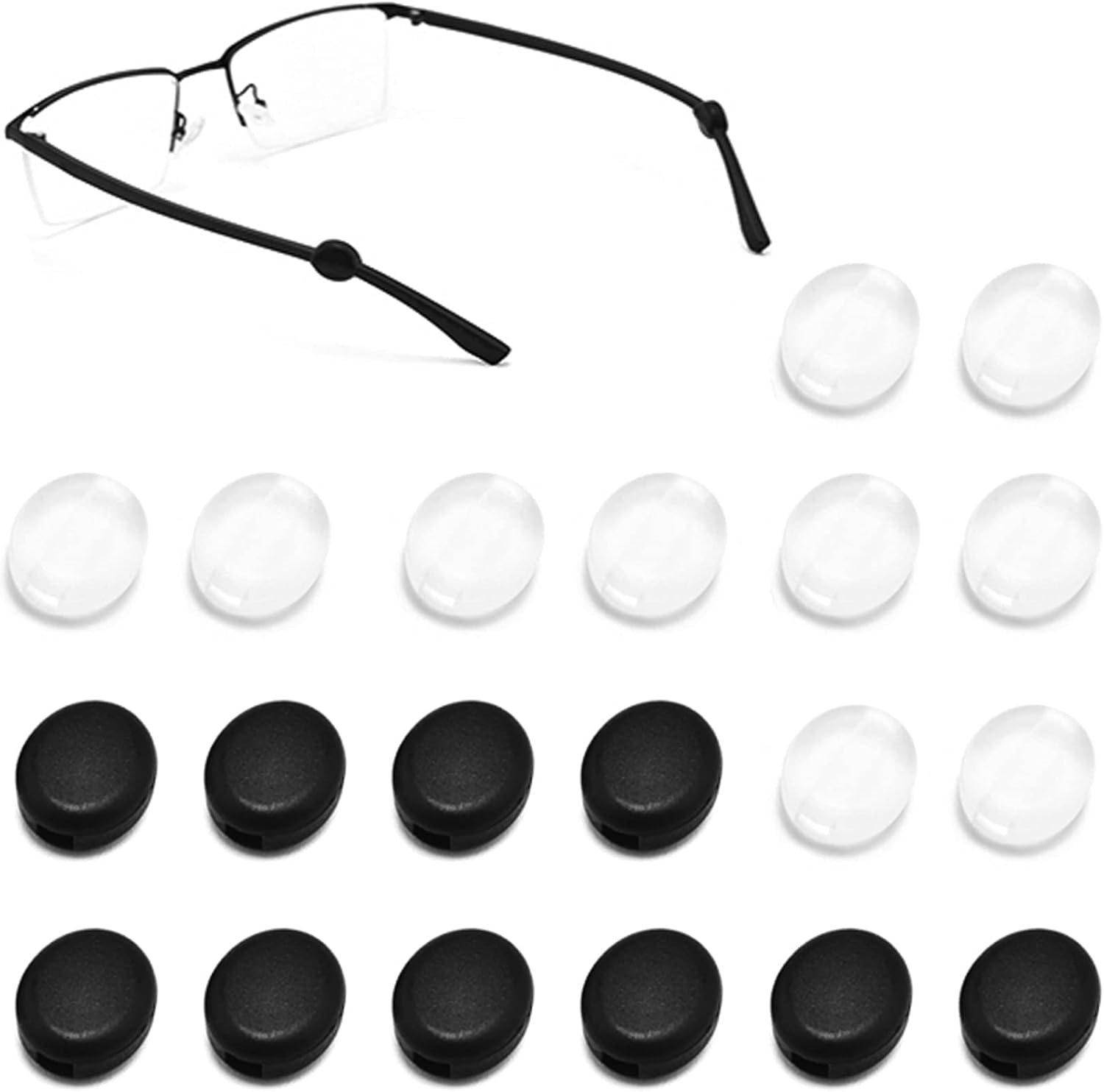
- Why Your Glasses Slide Down, and How to Stop It — Bridge fit, temple bend and skin oils each cause slipping for different reasons. Adjustments, grips and retainers that work.
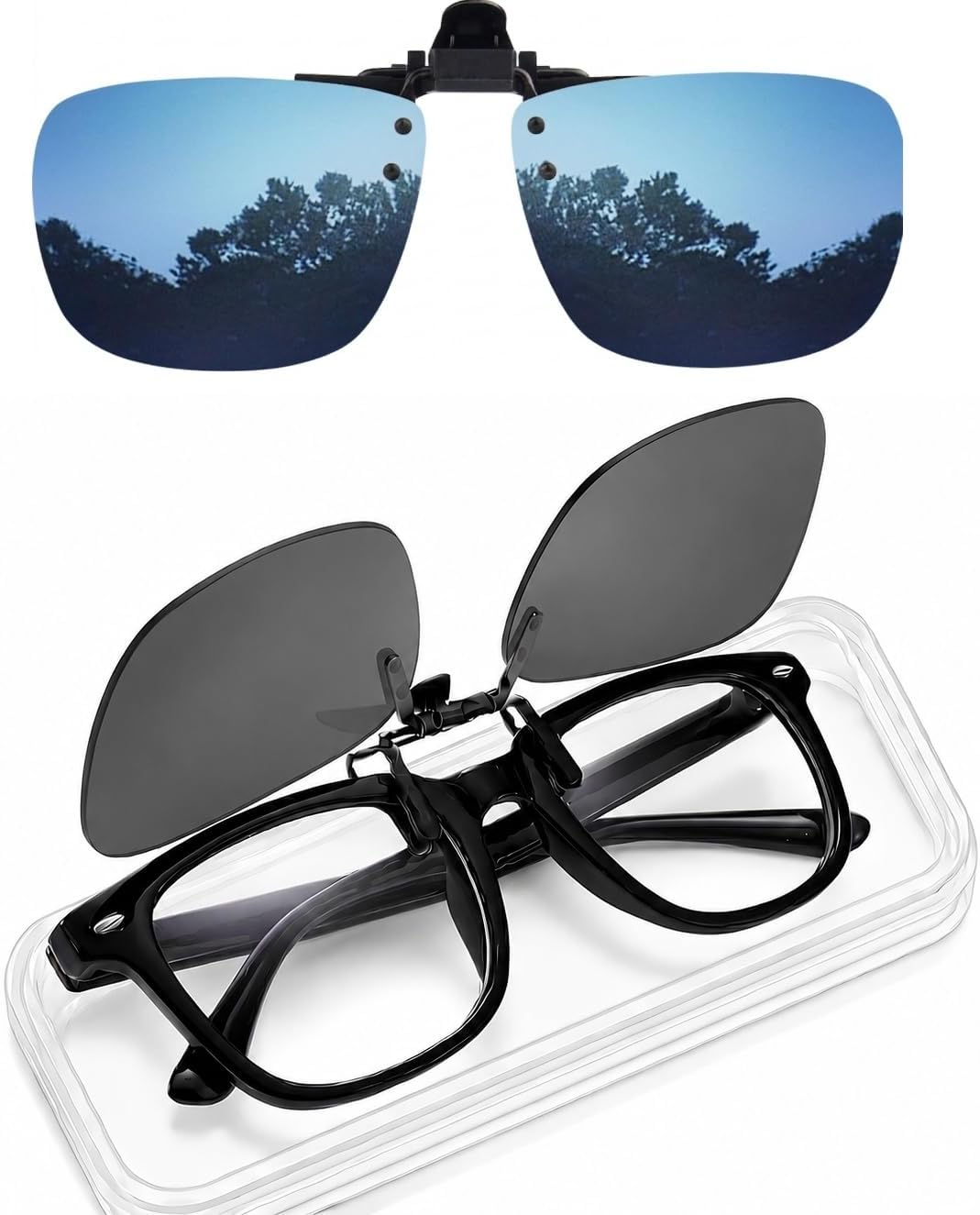
- Clip-On Sunglasses Versus a Second Pair — Polarised clip-ons over prescription frames, or prescription sunglasses? The practical trade-offs, and how to size a clip-on.
- Cleaning Glasses Without Scratching Them — Most lens scratches are caused by cleaning. The correct method, what to avoid, and how coatings actually fail.
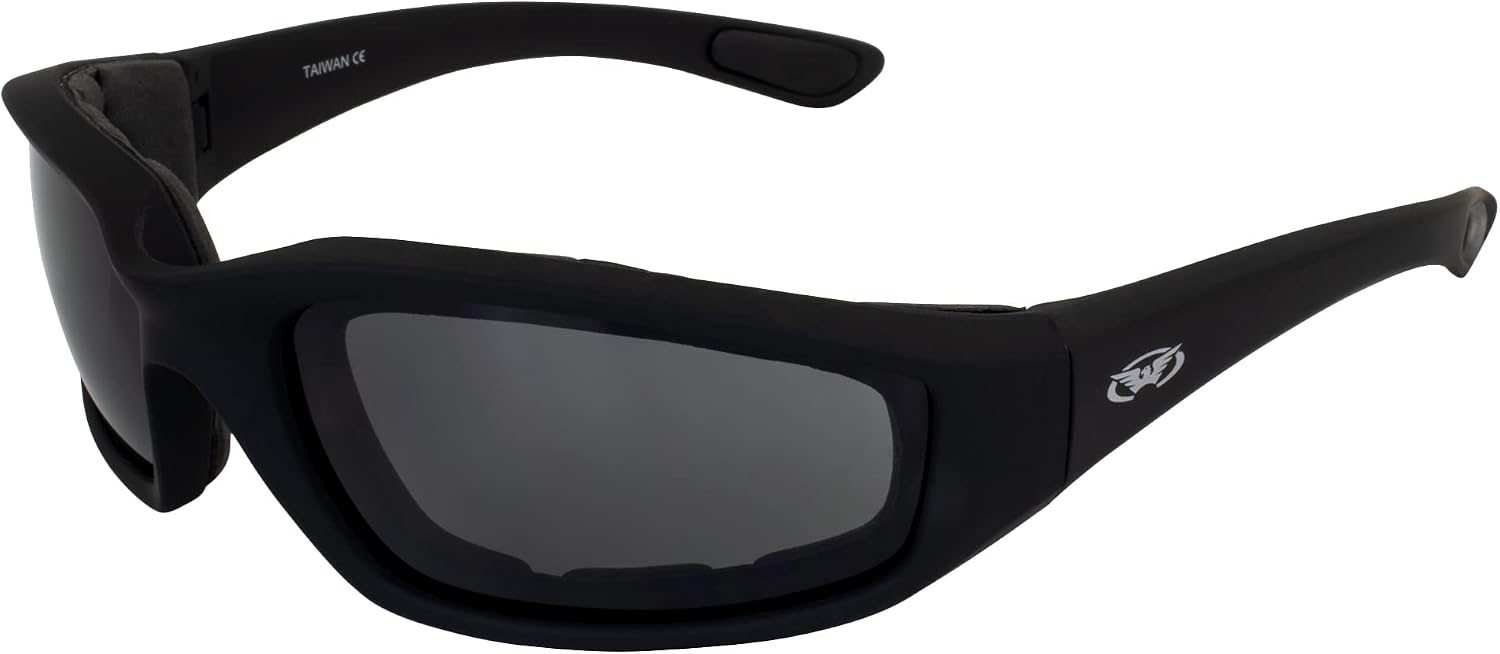
- Eye Protection for Workshop and Outdoor Use — Impact standards, foam seals and fit over prescription glasses. How to choose eyewear for dust, debris and wind.