Cleaning Glasses Without Scratching Them
Lens coatings are thin, hard and brittle, and almost every scratch on a pair of glasses was put there by their owner during cleaning. The correct method takes ten seconds and prevents nearly all of it.
Why dry wiping is the main culprit
The dust on a lens is largely mineral: fine grit, silica, road dust. Wiping a dry lens drags those particles across the coating under pressure, and each pass leaves microscopic scratches.
Enough of those and the lens develops a hazy appearance that people mistake for the coating failing. The coating did not fail; it was sanded.
This is why the single most important rule is never to wipe a dry lens.
The correct method
Rinse the lenses under lukewarm running water first. That floats the grit off rather than dragging it. Apply a small drop of washing-up liquid to each side, work it gently with your fingertips, and rinse thoroughly.
Shake off the excess water and dry with a clean microfibre cloth using light pressure. The cloth is for drying, not for scrubbing.
The whole process takes under thirty seconds and it is the method opticians use.
What not to use
Paper towel, tissue, napkins and shirt tails are all abrasive at the scale that matters. So is a microfibre cloth that has been in a pocket collecting grit.
Ammonia-based glass cleaners, alcohol wipes not intended for lenses, acetone and vinegar can attack anti-reflective coatings and plastic lens materials. So can washing-up liquid containing added moisturiser.
Very hot water can craze a coating, which is why lukewarm is specified rather than assumed.
Microfibre cloth care
Wash microfibre cloths regularly in warm water with a little plain detergent, and never with fabric softener, which coats the fibres and destroys their function.
Air dry rather than tumble drying, and keep them in a case rather than loose in a bag.
Have several and rotate them. A single cloth used for months is a grit distribution system.
How coatings actually fail
Anti-reflective coatings are multi-layer and are applied to a plastic substrate that expands and contracts more than the coating does. Repeated thermal cycling — a car dashboard in summer, a hot shower — produces crazing, a fine crackle pattern.
That is not a cleaning fault and it is not repairable. Avoiding extreme heat is the only prevention.
Delamination at the edges usually indicates moisture ingress, often from prolonged exposure to hot water or steam.
Storage and the case
Always store lenses face up, or in a case. Placing glasses lens-down on any surface is how the majority of deep scratches happen.
A hard case protects against crushing; a soft pouch protects against scratching in a bag. Both are useful for different reasons.
Never leave glasses in a car in summer. Heat damages coatings and can distort acetate frames permanently.
Screws, hinges and small maintenance
Hinge screws loosen with normal use. Check them every couple of months and tighten gently with a jeweller's screwdriver; over-tightening strips the thread and turns a free fix into a repair.
A drop of clear nail varnish on a persistently loosening screw holds it without gluing it permanently.
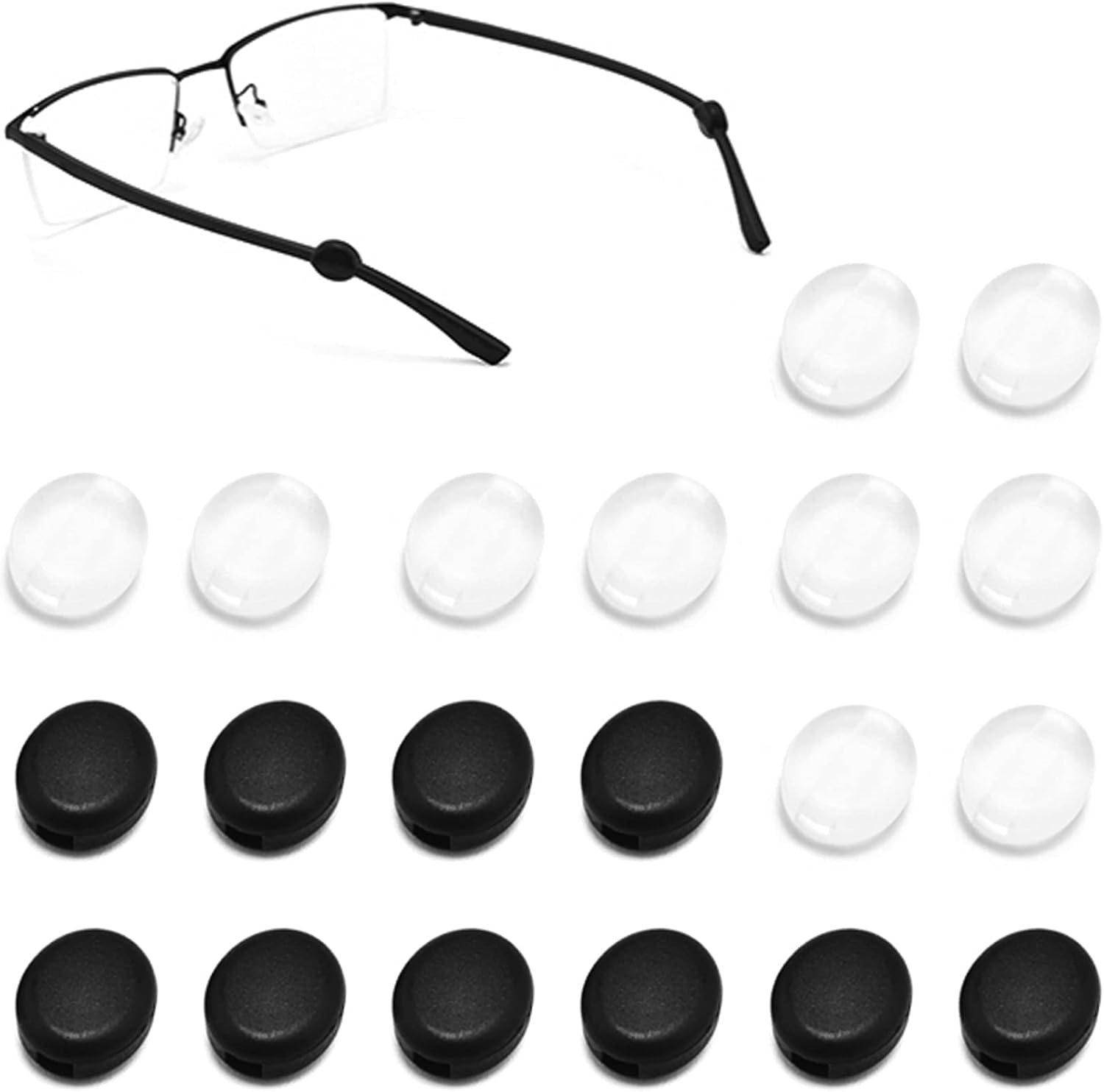
Nose pads on metal frames should be replaced when they yellow or harden, which is usually annually for daily wear.
When a lens is beyond cleaning
If scratches are visible in normal light and sit within your line of sight, they will affect vision quality and cannot be polished out of a coated lens. Replacement lenses in your existing frame are usually the answer.
Bring the frame in and we can check whether it is sound enough to be re-glazed. Frames outlast lenses more often than people expect.
Cleaning well simply means you replace lenses because your prescription changed, not because of the cloth in your pocket.
Where to go next
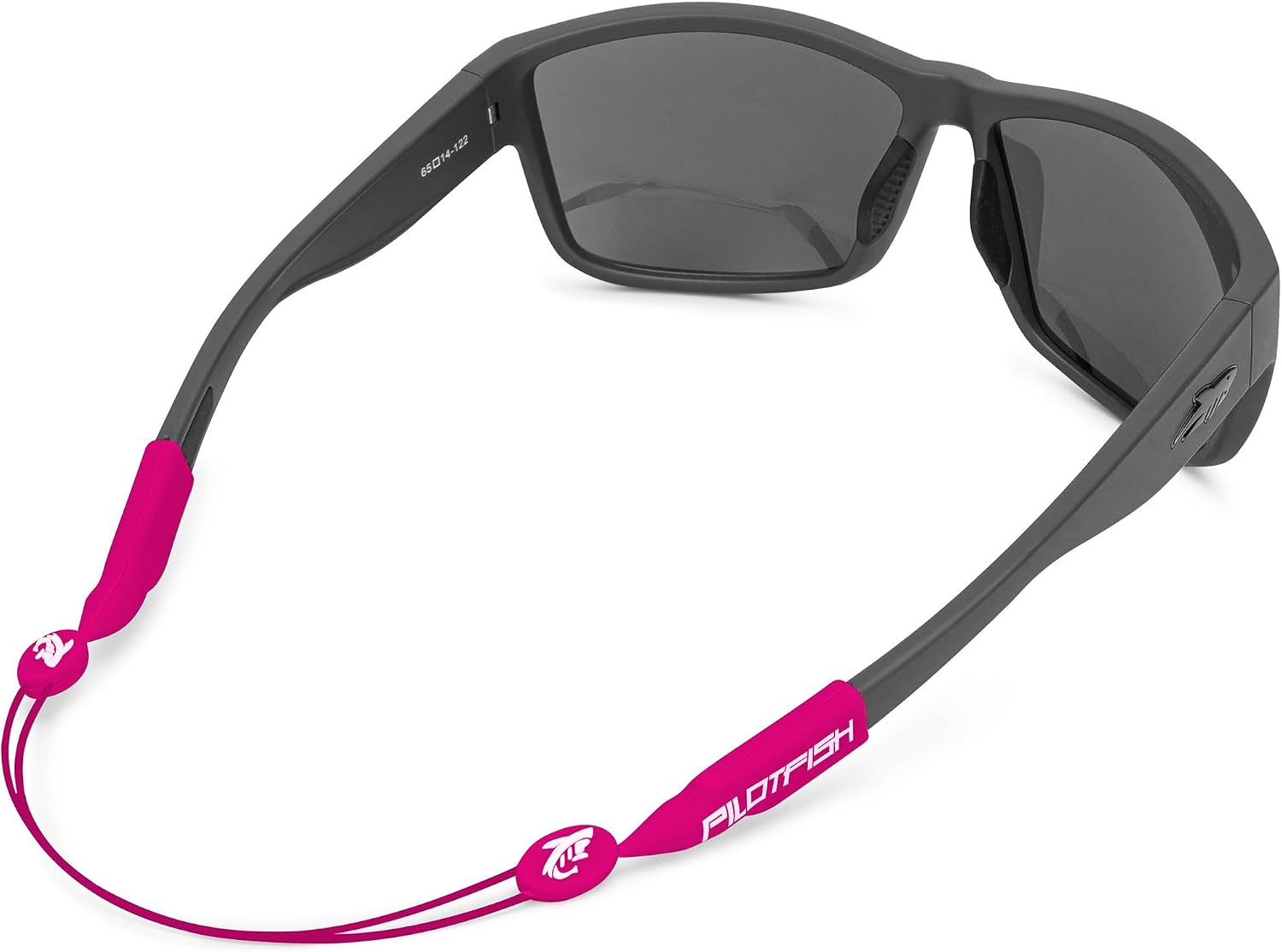
Eyewear cases, cloths and care accessories are in Straps, Grips & Care. Bring a frame into 509 9th Ave any time for a check.
Shop Straps, Grips & Care
Related articles