The Three Numbers Inside Your Glasses Arm
Every pair of glasses carries its own fitting instructions, printed in small type on the inside of the left temple arm. Three numbers, and once you can read them, buying frames online stops being a guess.
Where to look and what you will see
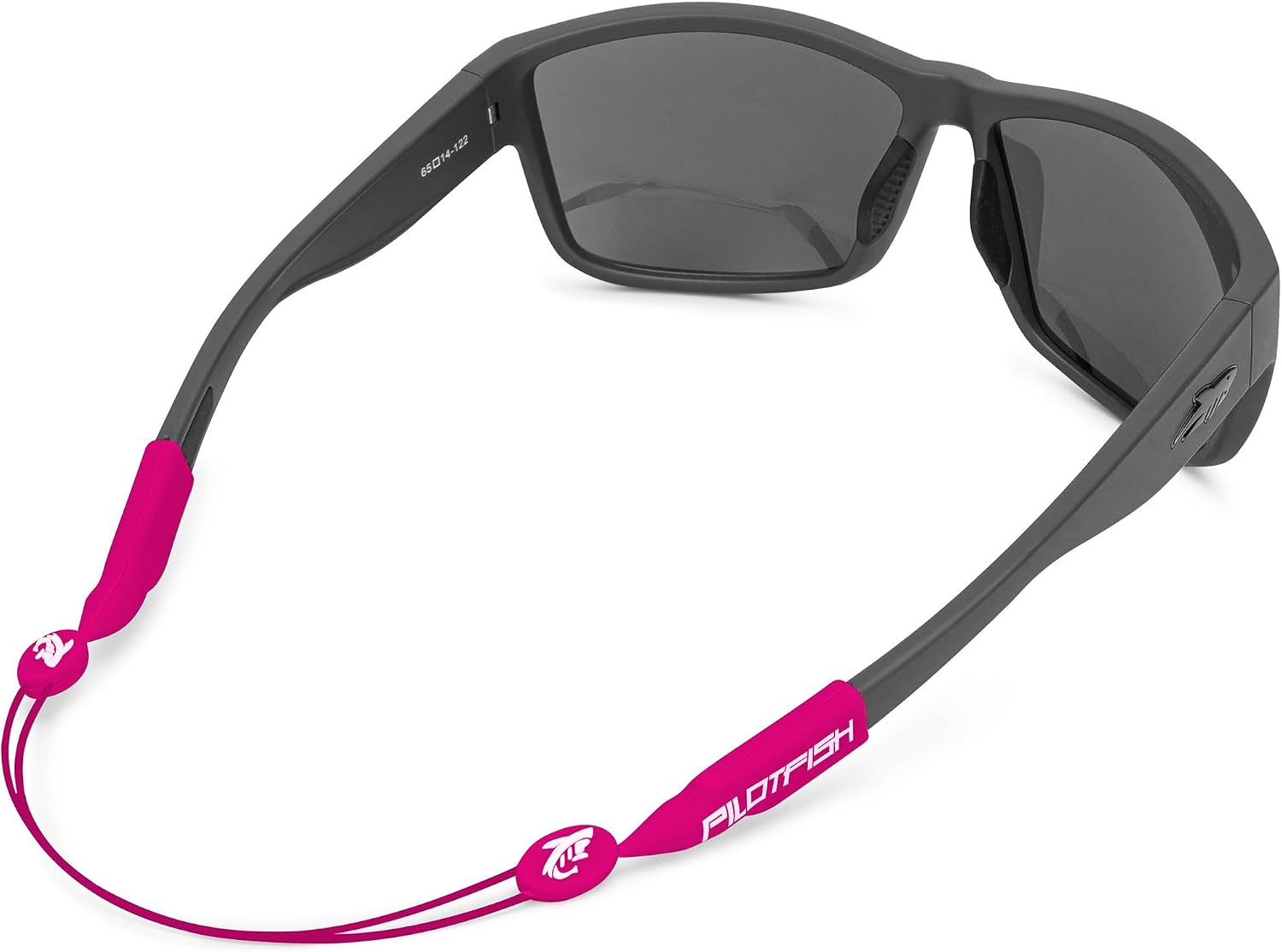
Take your current glasses off and look at the inside of the left arm, near the hinge. You will usually find something like 52-18-140, sometimes written with a small square between the first two numbers.
Those are millimetres: lens width, bridge width and temple length. Some frames add a fourth figure for lens height, and many print the model name and colour code alongside.
If the printing has worn off, an optician can measure the frame in a few seconds — including ours at 509 9th Avenue.
Lens width: the number that sets the face
Lens width is the horizontal measurement of one lens at its widest point. It is the primary driver of how a frame sits on your face, because it determines how far apart the two lenses are and therefore where the optical centres fall.
Most adult frames sit between 48mm and 58mm. A change of 2mm is barely perceptible; a change of 6mm changes the whole character of the frame on your face.
If you like how your current frames sit, stay within about 2mm of that number and everything else becomes a style choice.
Bridge width: comfort and slipping
The bridge is the gap between the two lenses, resting on your nose. Too narrow and the frame pinches and sits high; too wide and it slides down continuously no matter how well the arms are adjusted.
This is the number most people get wrong, and it is the usual reason a frame that looked right will not stay up. Bridges typically run from 14mm to 22mm.
Frames with adjustable nose pads have some tolerance here. Frames with a moulded acetate bridge have almost none, which is why the number matters more on plastic frames.
Temple length: behind the ear, not to the ear
Temple length is the full length of the arm including the bend that curves behind the ear. Standard lengths are 135, 140, 145 and 150mm.
Too short and the frame is pushed forward off your face by pressure behind the ear. Too long and the bend sits behind the ear rather than on it, so the frame slides.
This is the most adjustable of the three on metal frames, where the arm can be reshaped. On acetate it can be adjusted with heat by an optician but not by much.
Total frame width and face width
Adding twice the lens width plus the bridge gives you roughly the total lens area, but the full frame width also includes the end pieces where the hinges sit. Manufacturers sometimes publish this separately.
As a rule, the frame front should be about as wide as your face at the temples. A frame noticeably wider makes the face look narrower; a frame noticeably narrower does the opposite and also puts pressure on the temples.
Where a listing gives a total width, compare it to a ruler held across your own face just in front of your ears.
Shape, and matching it to your face
The conventional guidance is to contrast: angular frames on a rounder face, softer frames on a more angular one. It is a starting point rather than a rule, and plenty of people look best doing the opposite.
What matters more is the vertical position. The top of the frame should sit close to the line of your eyebrows without covering them, and your eyes should sit slightly above the horizontal centre of the lens.
Butterfly and oversized shapes push the eye position lower in the lens, which is worth knowing if you will have progressive lenses fitted.
Acetate versus metal
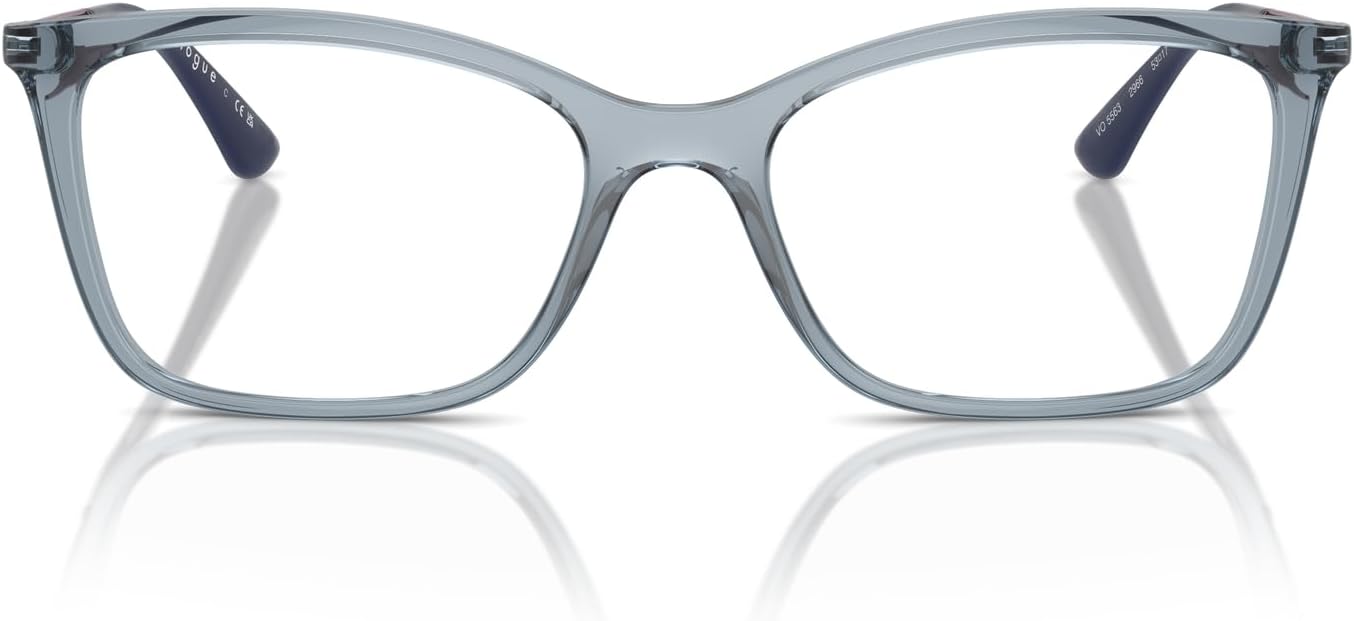
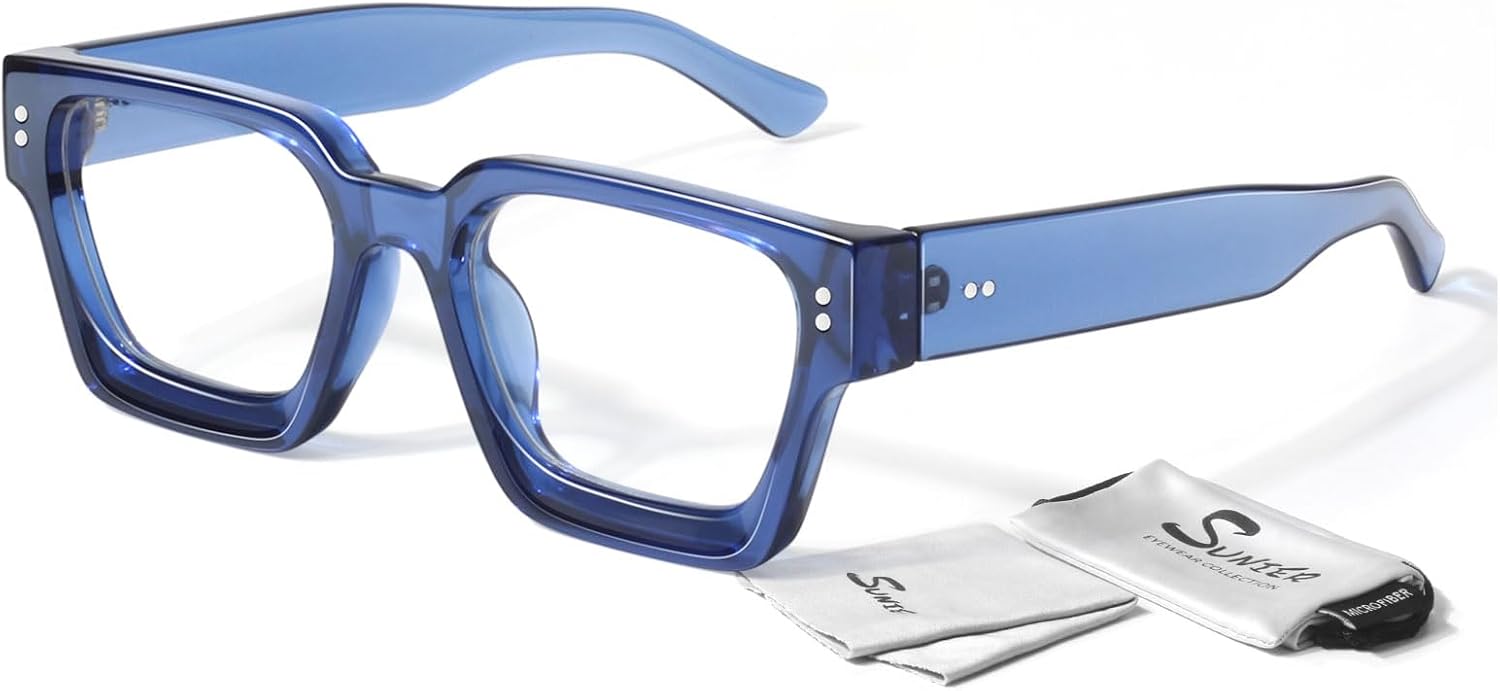
Acetate is thicker, warmer against the skin, available in richer colours and patterns, and less adjustable. Metal is thinner, lighter, more adjustable at the bridge and arms, and shows a cleaner line.
For a prescription with thicker lenses, a bolder acetate frame conceals the lens edge better than a thin metal rim.
Weight distribution matters more than total weight. A heavier frame that balances well is more comfortable than a light one that all sits on the nose.
Buying online with confidence
Write your three numbers down. Filter for lens width within 2mm and bridge within 2mm. Treat temple length as adjustable on metal and fixed on acetate. Then choose entirely on how the frame looks.
Where a listing does not publish the numbers, ask before ordering. Ours are on every frame page.
And if you want a second opinion, bring your current pair into the shop and we will measure them for you.
Where to go next
Frames are listed with lens width, bridge width and temple length. Walk in at 509 9th Ave for a fitting, or order and we will ship anywhere in the US.
Shop Eyeglass Frames
Related articles
- Blue Light Glasses: What the Evidence Actually Supports — A careful look at what blue-light filtering lenses do and do not do, and what genuinely helps with screen-related eye strain.
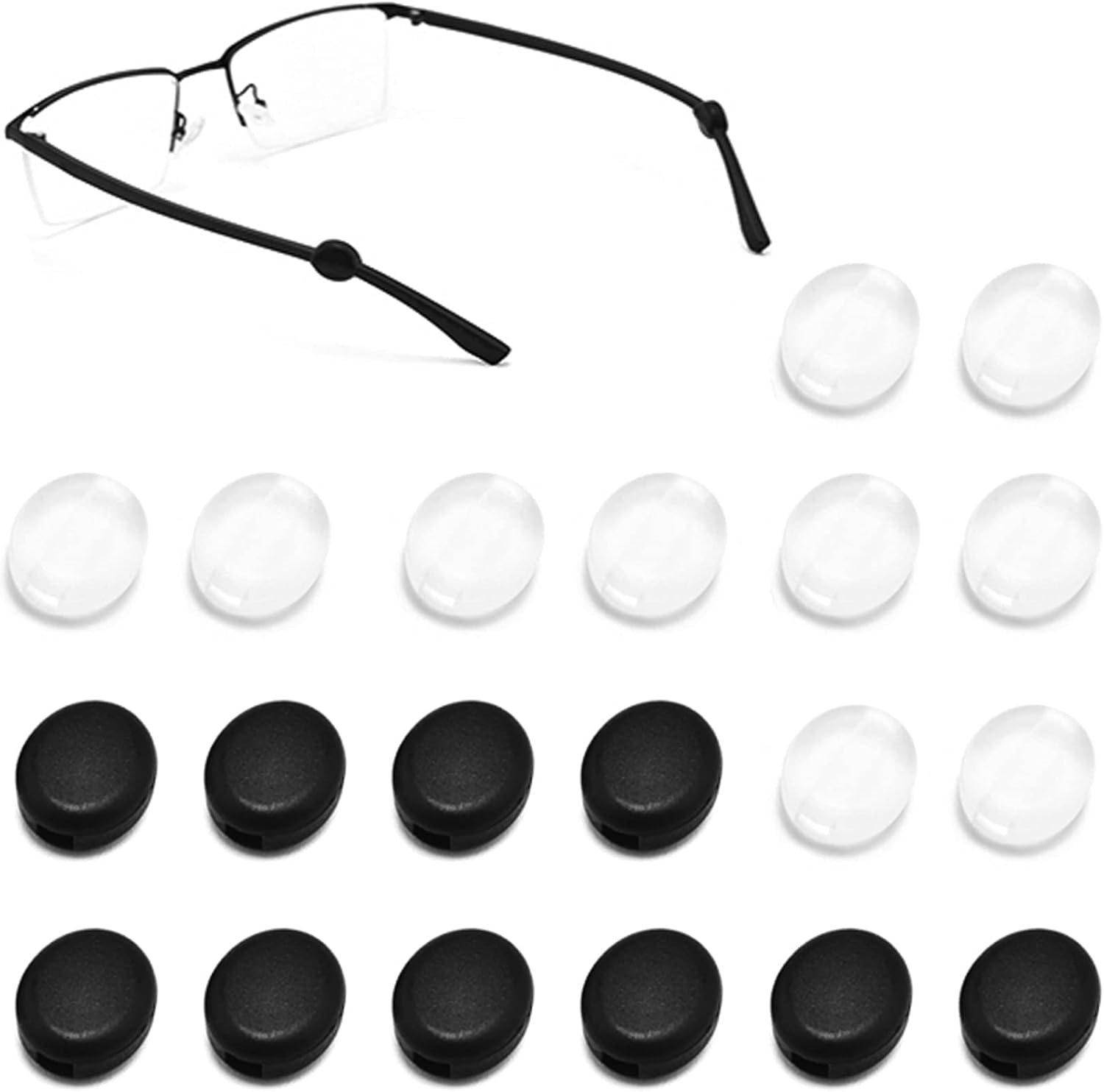
- Why Your Glasses Slide Down, and How to Stop It — Bridge fit, temple bend and skin oils each cause slipping for different reasons. Adjustments, grips and retainers that work.
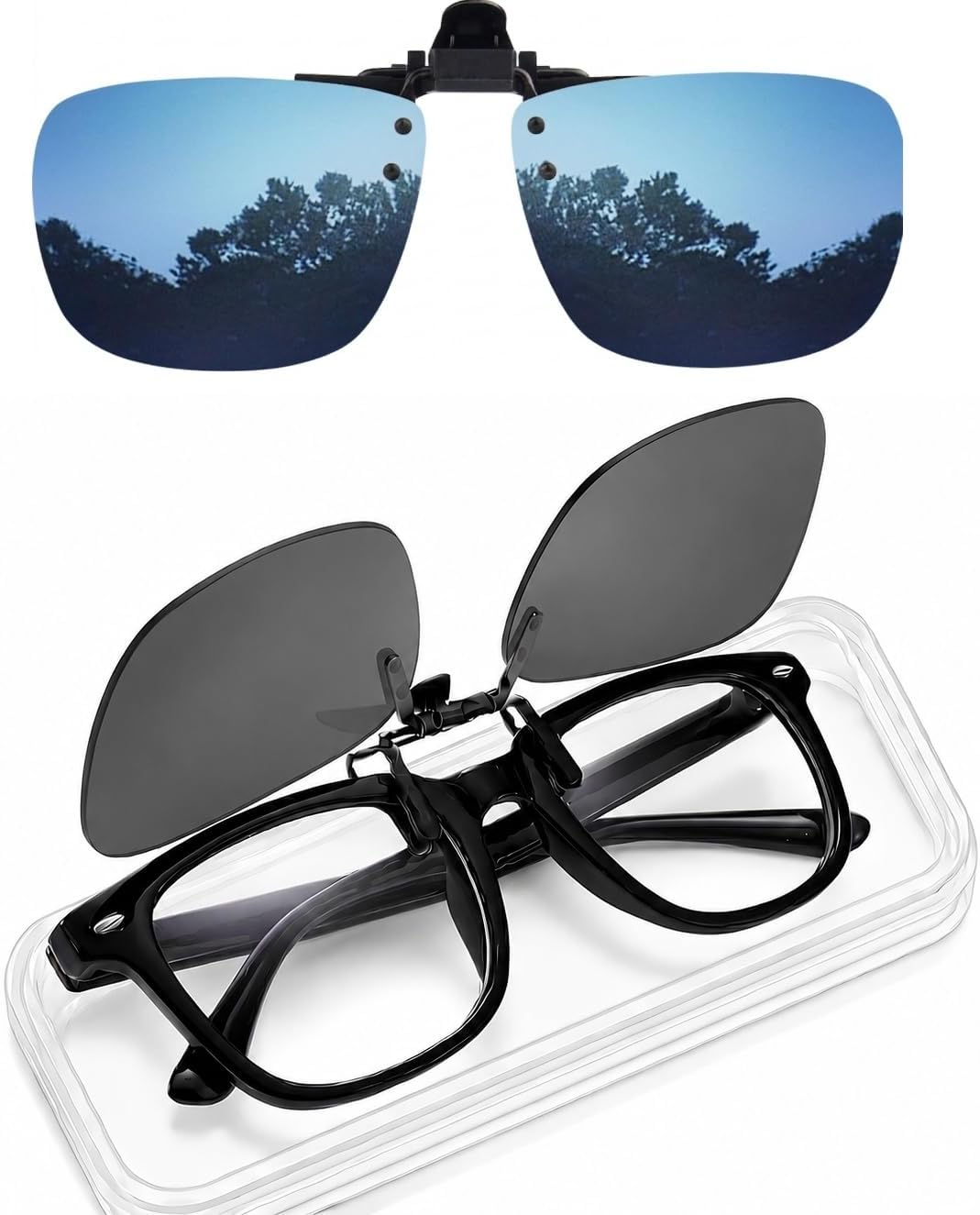
- Clip-On Sunglasses Versus a Second Pair — Polarised clip-ons over prescription frames, or prescription sunglasses? The practical trade-offs, and how to size a clip-on.
- Cleaning Glasses Without Scratching Them — Most lens scratches are caused by cleaning. The correct method, what to avoid, and how coatings actually fail.
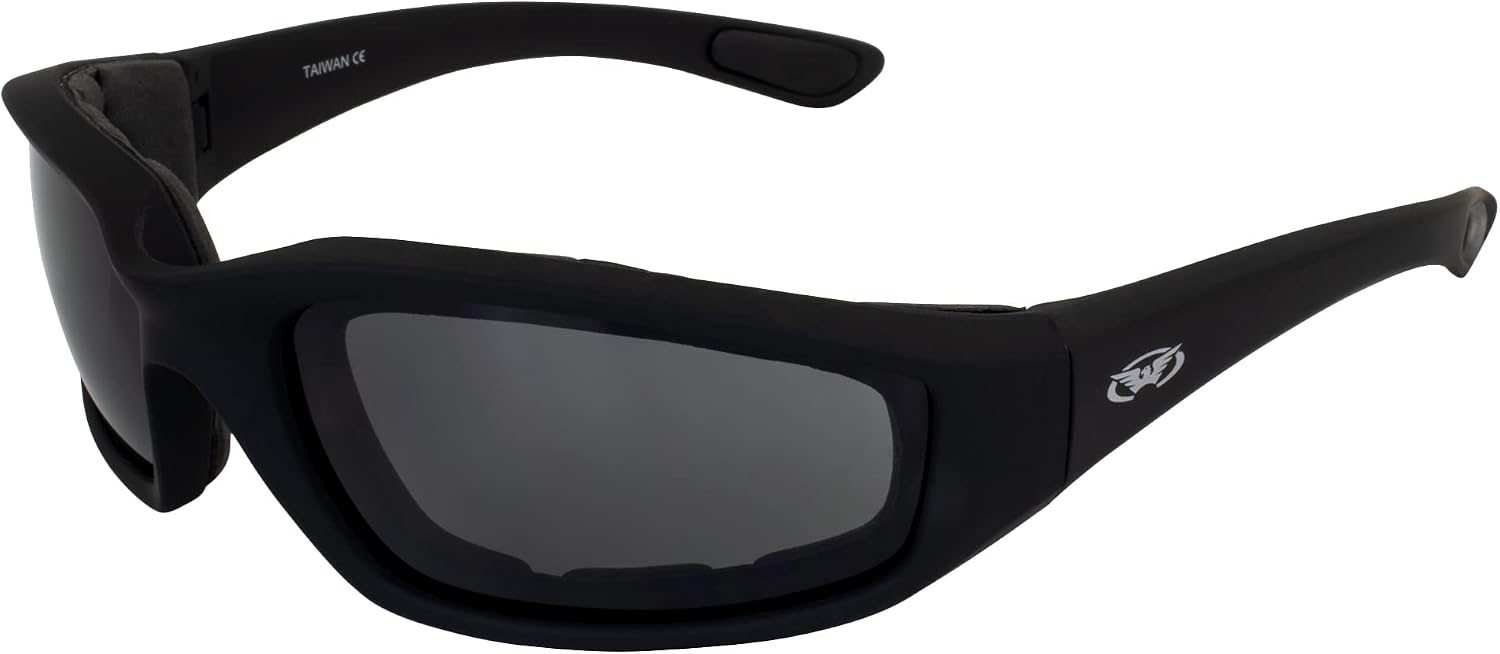
- Eye Protection for Workshop and Outdoor Use — Impact standards, foam seals and fit over prescription glasses. How to choose eyewear for dust, debris and wind.